

Sell-Side M&A Advisory for Pharma and Life Sciences
PharmaBioSource represents pharmaceutical asset owners through facility divestments, therapeutic asset sales, manufacturing network consolidations, and platform transactions.

What is pharma sell-side advisory?
Pharma sell-side advisory is the work of representing a pharmaceutical asset owner through the sale of a therapeutic, manufacturing facility, product portfolio, or platform — positioning the asset, identifying qualified buyers, managing the process, and structuring the deal. Unlike generalist sell-side M&A, it requires fluency in regulatory exposure, technical transfer risk, GMP compliance, and therapy area economics.
Why asset owners choose PharmaBioSource
Whether you’re divesting a single manufacturing facility, repositioning a therapeutic asset, or sequencing a multi-site network consolidation, senior PharmaBioSource advisors bring technical depth, deal experience, and a global buyer network. Our team has closed transactions across biologic drug substance, small molecule API, vaccines, solid oral dose, sterile injectable fill/finish, and cell and gene therapy. We represent sellers from top-20 pharma through emerging biotech.
Targeted Buyer Identification
Maximum Asset Valuation
Confidential Process Management
Senior-Led Mandates
Pharma-Specific Diligence
End-to-End Closing Support
Inside a PharmaBioSource sell-side mandate
A PharmaBioSource sell-side mandate runs through four workstreams: buyer identification, deal structuring, the Confidential Information Memorandum, and contract closure. Senior advisors carry the work from initial mandate through definitive agreement.
Step 1: Buyer / Acquirer Identification
PharmaBioSource builds a curated buyer universe for each mandate, tailored to the asset and seller’s strategy and spanning strategic acquirers, financial sponsors, regional CDMOs, and adjacent platforms. We profile each candidate on strategic fit, valuation drivers, and likely deal structure, then sequence outreach to maintain competitive tension while protecting confidentiality.
Step 2: Deal Structuring
Pharmaceutical sell-side transactions rarely close on simple cash-at-close terms. Earnouts, milestone payments, royalty tails, and contingent value rights are standard for clinical-stage and partnered assets. PharmaBioSource models proposed structures alongside seller finance and legal counsel, stress-tests them against likely buyer counters, and identifies the structural elements that erode realized value if not negotiated tightly upfront.
Step 3: Confidential Information Memorandum (CIM)
The CIM is the highest-leverage document in any sell-side M&A mandate. PharmaBioSource CIMs are authored by senior advisors with operating experience in the asset class being sold, ensuring the asset narrative, financial detail, and technical and regulatory disclosures are aligned with the value drivers a qualified buyer is prepared to underwrite.
Step 4: Contract & Closure Support
PharmaBioSource remains engaged through definitive agreement negotiation, buyer diligence, and signing. Late-stage workstreams (transition services agreements, working capital adjustments, regulatory consents, reps and warranties calibration) frequently determine the final realized valuation. Senior advisors lead each, working alongside seller counsel and finance teams through to close.
Where our sell-side expertise runs deep
Pharmaceutical sell-side transactions are shaped by operational continuity, transfer complexity, regulatory posture, and the clarity with which long-term asset value can be communicated to qualified buyers under diligence conditions.
Facility Divestments
Owners divest GMP manufacturing facilities for many reasons: portfolio realignment, network consolidation, shifting modality mix, or post-merger consolidation. We’ve represented sellers across small-molecule, biologic, cell and gene therapy, and ATMP facilities. Buyers include strategic acquirers, regional CDMOs, financial sponsors, and operating partners building new platforms.
Facilities rarely transact based on square footage alone. A successful pharmaceutical facility divestiture depends on positioning the facility around what a buyer actually values, including the validated capacity, regulatory track record, proximity to talent, and the cost to bring the asset to operational standard. We present the operational reality, not just the square footage, and we manage buyer access carefully to protect facility staff and ongoing operations.
Therapeutic Asset Sales
Therapeutic asset sales cover the divestiture of approved products, late-stage clinical assets, and platform technologies, often when the original developer has shifted strategic focus. Each transaction requires a buyer who can take the asset forward commercially, technically, and regulatorily, which sharply narrows the realistic buyer pool.
We position therapeutic assets around the reasons a buyer will transact: a differentiated mechanism, durable IP, proven manufacturability, near-term revenue, or strategic fit with an existing pipeline. Pharmaceutical mergers and acquisitions in this category often involve milestone-based structures and royalty tails, which we model and negotiate alongside the headline deal value.
Manufacturing Network Consolidation
Network consolidations are multi-facility divestitures driven by overcapacity, post-merger optimization, or modality migration. Selling several facilities over a 12- to 24-month window requires sequencing, separate buyer pools for each asset, and careful coordination to ensure that each transaction doesn’t weaken the next transaction’s valuation.
We’ve run network consolidations for top-20 pharma companies and mid-cap specialty firms. The work covers facility-by-facility positioning, buyer outreach across the global pool, transaction sequencing, and the operational handover work that keeps each site running through closing. GMP facility sale valuations in network deals depend heavily on this sequencing.
Product Portfolio Consulting
Not every asset in a pharma portfolio belongs in the long-term plan. We work with senior leadership to assess which products, brands, or pipeline assets are candidates for divestiture, retention, or partnering, based on clinical fit, manufacturing economics, and buyer demand patterns.
The output is a defensible portfolio strategy and a prioritized divestiture sequence, not a one-time list. We then execute the resulting pharma sell-side advisory mandates as integrated transactions, keeping portfolio analysis and deal execution connected rather than handing them off between separate consulting and banking teams.
Value Proposition Creation
Every sell-side asset has a defensible value proposition, but it doesn’t always align with what the seller has been communicating internally. Buyers pay for what they can do with the asset, not for what it meant to the previous owner.
A well-done value proposition shapes everything downstream, including the buyer shortlist, the CIM, the management presentation, the negotiation positions, and the eventual sale price.

Sell-side expertise across every pharma asset class
PharmaBioSource represents sellers across small molecule manufacturing, biologic and biosimilar production, cell and gene therapy facilities, sterile fill-finish and parenterals, API and intermediate manufacturing, and therapeutic assets and product portfolios. Whether you’re divesting a legacy small-molecule plant, repositioning a clinical-stage asset for sale, or sequencing a multi-site network consolidation, our advisors bring the regulatory, technical, and commercial fluency the transaction requires.
FEATURED TRANSACTIONS
Recent sell-side transactions
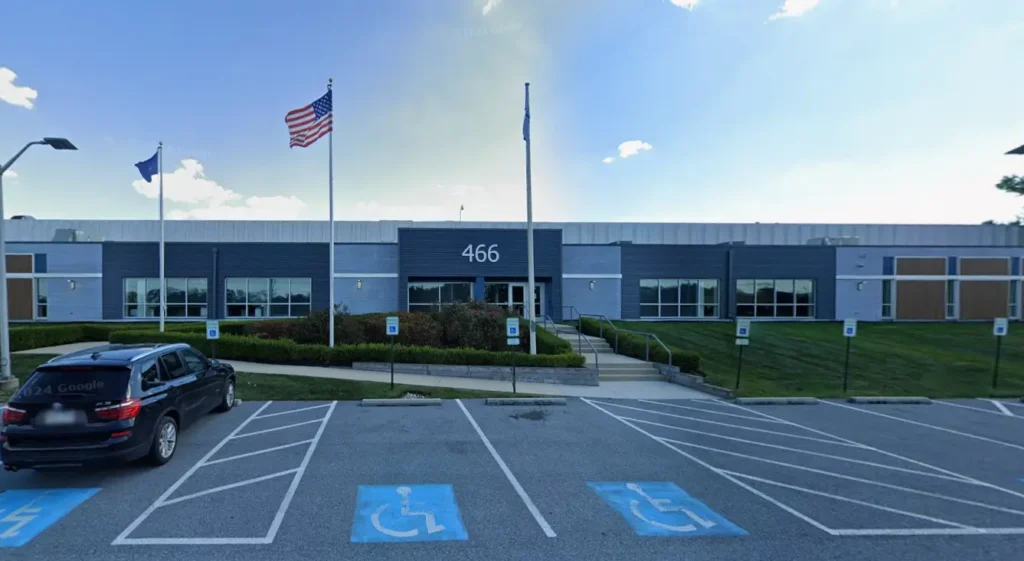
Pharmaceutical and biotech mandates, operator-led from kickoff to close.
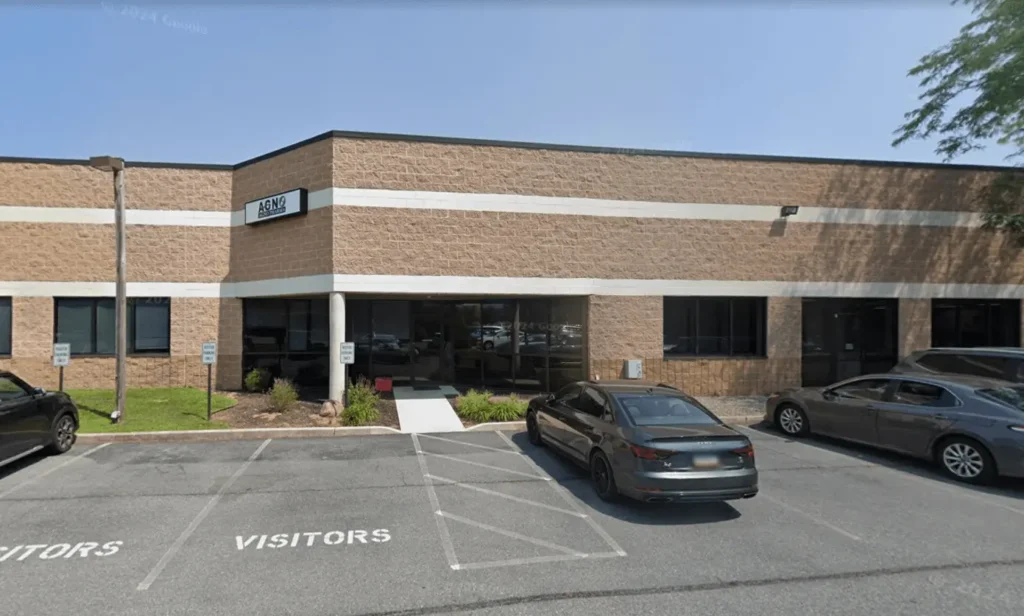
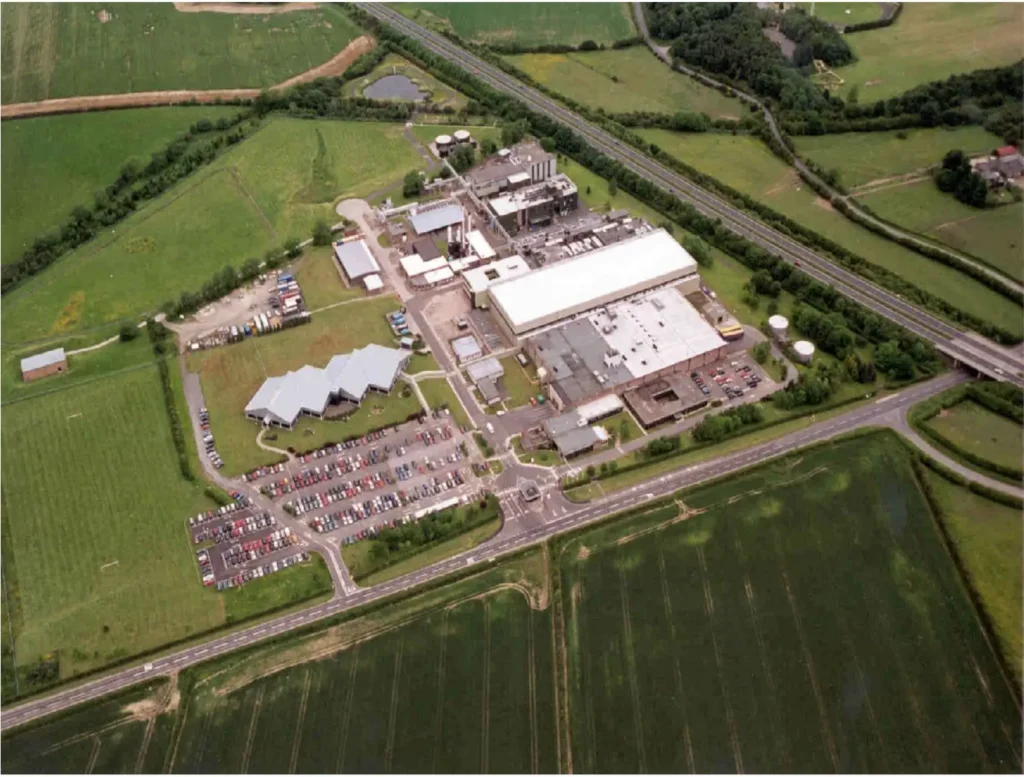

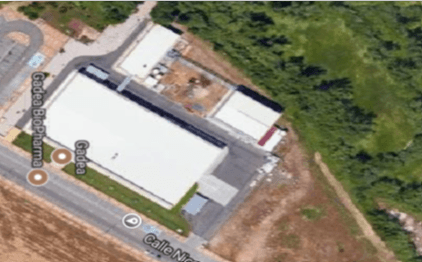
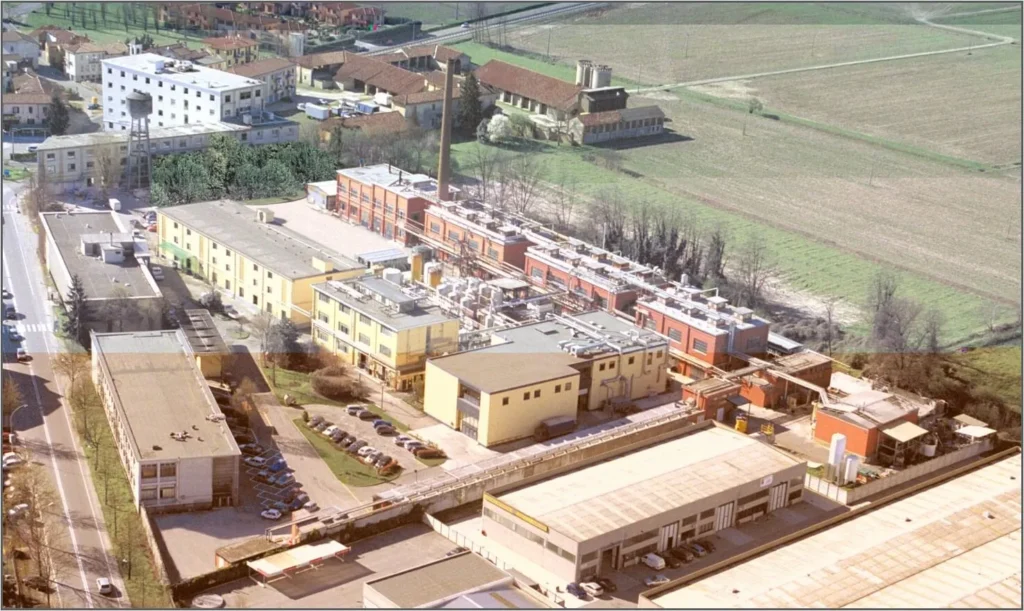


Considering a divestiture?
Speak with a senior PharmaBioSource advisor about positioning, buyer pool, and process structure before the CIM is drafted.
Common questions about our sell-side process
What sellers, sponsors, and corporate development teams ask before they engage.
PharmaBioSource represents sellers of GMP manufacturing facilities, therapeutic assets, product portfolios, and platform technologies across small molecule, biologic, cell and gene therapy, ATMP, and life sciences real estate. Mandates typically range from $20M to $500M enterprise value, with experience on both ends of that spectrum.
Six to nine months from kickoff to close is typical for a single-asset facility divestment or therapeutic asset sale. Network consolidations involving multiple facilities and sequenced closings run 12 to 24 months. Highly competitive auctions on premium assets can move faster; complex earnout-heavy structures take longer.
Every prospective buyer signs an NDA before receiving the CIM. PharmaBioSource screens the buyer list with the seller before any outreach, manages all initial conversations rather than direct seller contact, and runs a controlled data room for diligence. For assets where leakage to facility staff or competitors would damage value, PharmaBioSource runs targeted processes with smaller, qualified buyer pools.
Yes. PharmaBioSource works alongside existing transaction counsel and seller finance teams. Most mandates run with PharmaBioSource as the sell-side banker, the seller’s law firm as transaction counsel, and seller finance modeling the structures PharmaBioSource negotiates.
Senior advisors, inside every transaction
PharmaBioSource engagements are led by advisors with 20–30 years of experience in the asset class being transacted. Our team emerged from operations, engineering, finance, and regulatory leadership at companies like Pfizer, Merck, and Jacobs Engineering.